The UK has been at the forefront of developing solutions for protecting marine habitats. Natural England’s successful Remedies Project which came up with the phrase Advanced Mooring Systems to describe a key part of the solution.
Helical Screw Anchor piles are a structurally efficient part of an AMS that avoid scouring the seabed around the anchor and destroying seagrass or other vulnerable habitat.
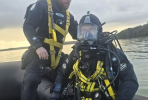
However, installing helical screw anchor (HSA) piles underwater using divers is expensive and time consuming, particularly in tidal waters with poor visibility which increases risks of injury to the diver.
Additionally, in the UK, a 5-man surface supply dive team is required to install HSAs underwater in order to comply with the Diving at Work Regulations.
This makes the installed cost per anchor prohibitively high despite the fact that the standard ABC 2m x 60R HSAs as a component being very cost effective.
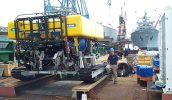
A remotely operated installation was required to install anchors to increase safety and efficiency and reduce cost.
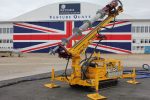
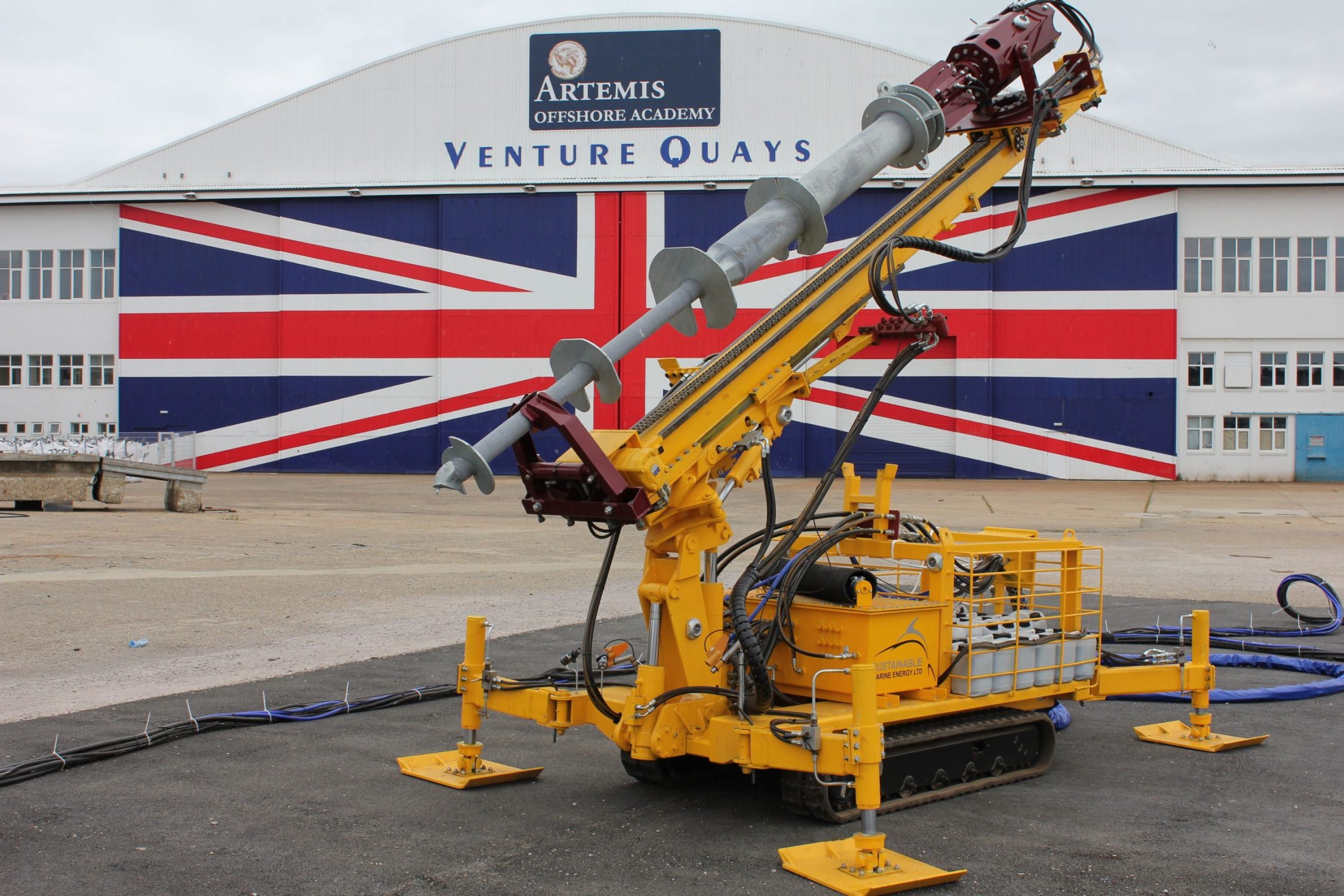
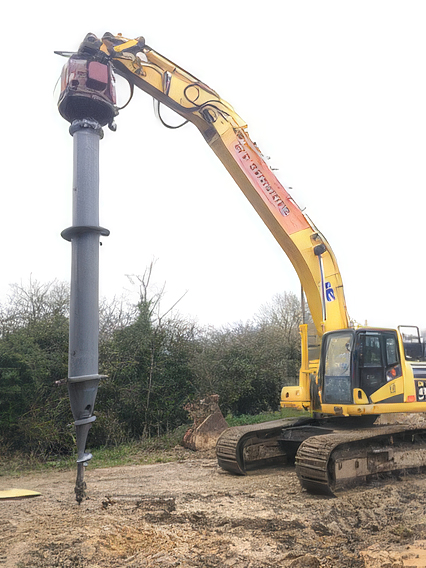
We undertook the concept design of a portable system that integrates the proven ABC 400H torque head and worked with ABC Subsea Consortium Partners ABC Anchors to manufacture and test the rig.
We designed out the need for divers in the installation process and enabled the HSA to install screw anchors with the riser attached.
The vision was for a system that could be operated by two men operating out of a van or a reasonably priced family car with a trailer.
Instead of taking around 2 hours to install a single anchor with a commercial dive team in challenging conditions, it can now be undertaken in a few minutes and in tidal conditions beyond safe diving operational limits.
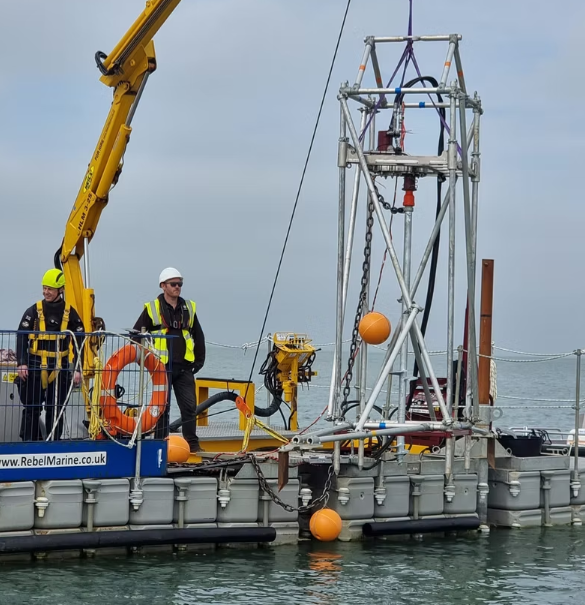
The first project succeeded in deploying eight Voluntary No Anchor Zone markers in challenging conditions in a couple of days in winter, in tidal flows of up to circa 1.5knots, well above the normally accepted safe diving limit of around 0.5knots.
Marine renewables and in particular floating tidal energy platforms require cost effective anchoring solutions.
The founder, prior to starting VSEL, led the technical developments for SME’s pioneer direct embedment anchors projects starting with mooring a taut moored 100kw device called PLAT-O off the Isle of Wight – Hurst Narrows with for Screw Anchor Piles.
The journey continued with development of 1st generation Groutless Rock Anchor to secure PLAT-O at EMEC in Orkney – Falls of Warness and then PLAT-I, a floating TEC at the Falls of Lora – Oban.
The challenge now is to continue the development and commercialise these technological developments which have applications outside marine renewables which developed them out of necessity.
We have continued to apply over a decades worth of knowhow and legacy system knowledge to continue supporting technological developments as corporate structures and ownership of assets have changed:
– General technical support for AROV 1, AROV 2 and RIT development
– Authored the Factory Acceptance Test documents to verify compliance of equipment with specifications
– Client representative during trials verifying compliance with agreed test requirements
– Recommissioning support for elements of AROV 1 system to upgrade it ready for further R&D
– Technical support for 2nd generation rock anchors including patent
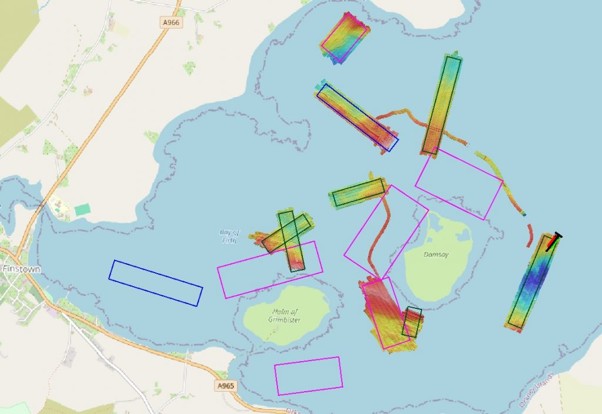
A significant area of seabed required baseline mapping to provide information to support marine license and permitting requirements for the ReOyster project in the Bay of Firth, Orkney.
We provided project management, planning and on-site technical support for the baseline surveys in the Bay of Firth, Orkney, coordinating local subcontractors and adapting plans as required to manage local constraints which included navigational hazards of surveying an area of seabed that according to the hydrographic chart was last surveyed by lead line between 1895 – 1896.
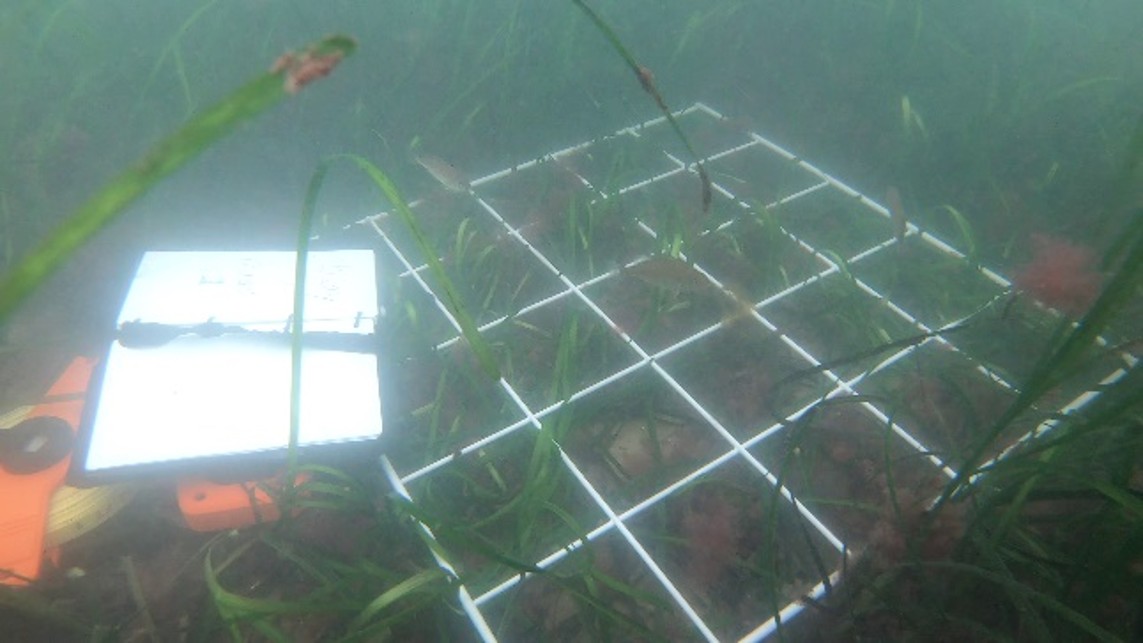
We also planned and conducted the diving surveys with support of local partners. Dives were conducted under the HSE Scientific and Archaeological code to gather high-quality video footage of seabed transects and gather samples of the seabed for later analysis. We further conducted, numerous drop-camera quadrats deployed on each survey site to gather high quality and well lit imaging of the seabed for subsequent desktop analysis of epifauna.
And finally we supported a public engagement event at Finstown.
– A large point cloud scan of the seabed for survey areas obtained using georeferenced interferometry scanning technology more suited for scanning shallow waters efficiently.
– High-quality diver video surveys of planned transects for identification of nekton (life swimming around), benthos (organisms on the seafloor) and the nature of the seabed.
– Seabed samples to confirm nature of substrate and for eDNA analysis by the client
– A large set of 0.5m x 0.5m quadrat survey images for identification of nekton, benthos and nature of the seabed across randomly selected parts of the sites not covered by the transects.
– Successful public engagements events with local stakeholders
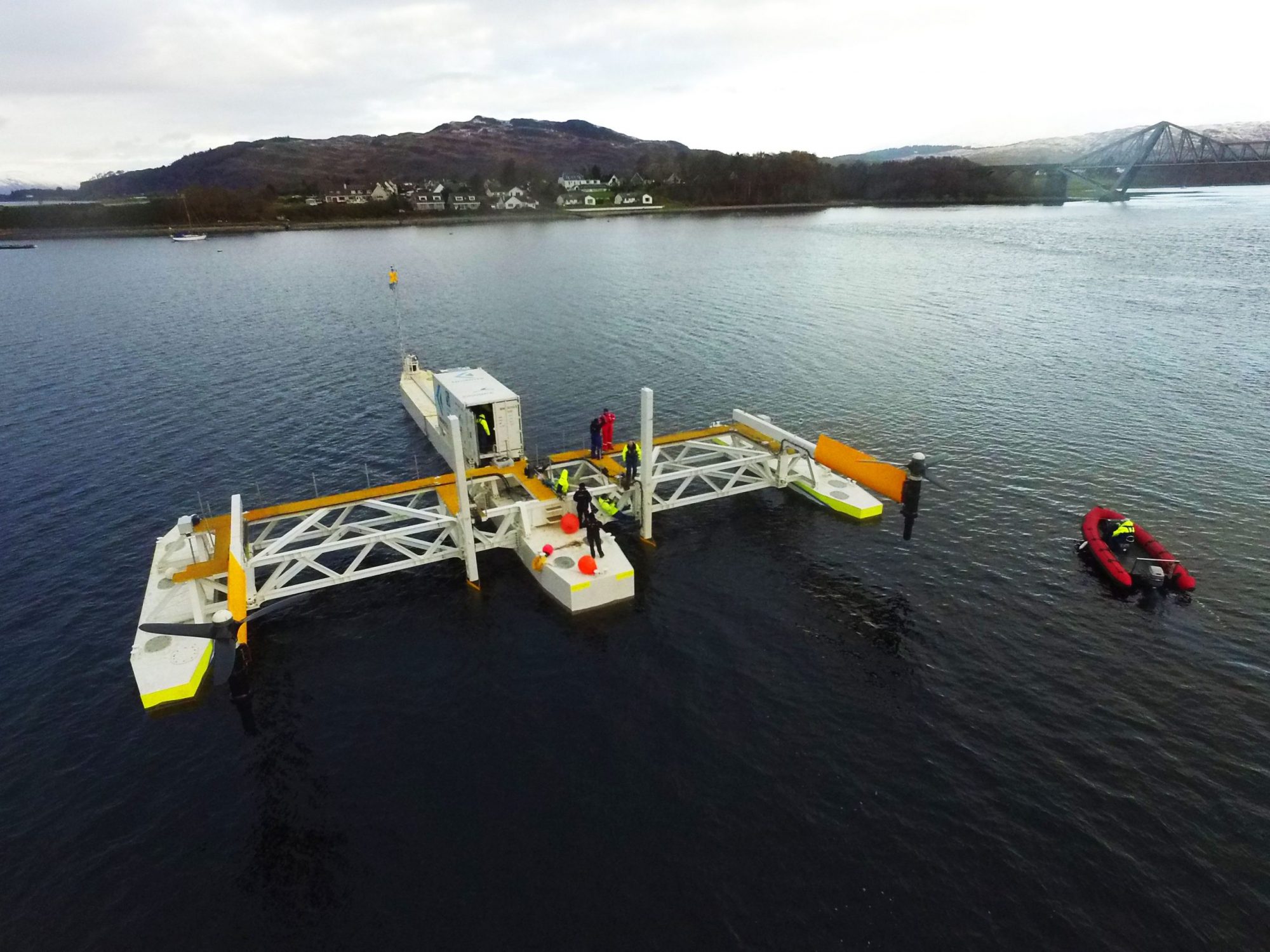
The tidal energy sector remains a challenging sector to conquer – commercially perhaps more so that technically, facing competition from more established and developed renewable energy systems in the offshore wind and solar sectors.
Yet, the attraction of tidal remains due to the potential amount of unlocked and which in the case of tidal energy is predictable for hundreds of years into the future, so long as the relative motion of the earth, sun and moon continue to behave in the way they currently do.
There are also emerging technologies being developed for run of river applications which can draw upon lessons learnt from the tidal sector.
The founder, prior to starting VSEL, has led engineering efforts on high profile and successful marine energy projects since the early 2000’s when tidal energy converter systems started to emerge. Projects included SMD’s TidEL and the Atlantis AK1000, and then more recently SME’s PLAT-O and PLAT-I floating and numerous others.
Coupled with his prior knowledge of ROVs (both work class and those involved with cable burial and maintenance), this amounts to a considerable amount of holistic systems integration knowledge backed up by hard earned in-factory and in- field practical experience.
VSEL harness this knowhow and subsequent experience to help clients assess new tidal energy (and its close cousin, run of river energy) projects, identifying potential pitfalls and offering technical solutions and mitigation strategies.
– Honest technical advice to avoid common pitfalls and learn the lessons of the past without repeating them. This advise on occasions has been to stop the project and/or significantly change direction!
– Selection of the right candidates for new investment funding/grants as part of a funding round assessment boards
– Application of know-how to generate technical innovations on client projects which can include generation of formal client owned intellectual property including patents.
The wave energy sector remains a challenging field to conquer, perhaps even more so than tidal. Like tidal it also faces competition from other forms of renewable energy such as offshore wind and solar.
Yet, the attraction of wave energy remains due to the shear amount of unlocked wave energy.
It is complementary to wind power; wind creates waves, but when the wind stops blowing the waves remain, at least for a while.
If there is no other renewable energy resource available then you may as well consider wave, especially for generation of power mid ocean.
Wave and tidal have many things in common although there are fundamental differences in the nature of the resource they are both harnessing.
For example, a lot of wave energy converters will still require an anchor and mooring and connection to export electricity and can utilise a significant amount of standard subsea and .offshore engineerring expertise.
– Technical support to transfer knowhow and knowledge from subsea engineering and tidal sectors to wave applications.
– Application of know-how to formulate technical innovations on client projects which can lead to generation of formal intellectual property including patents.
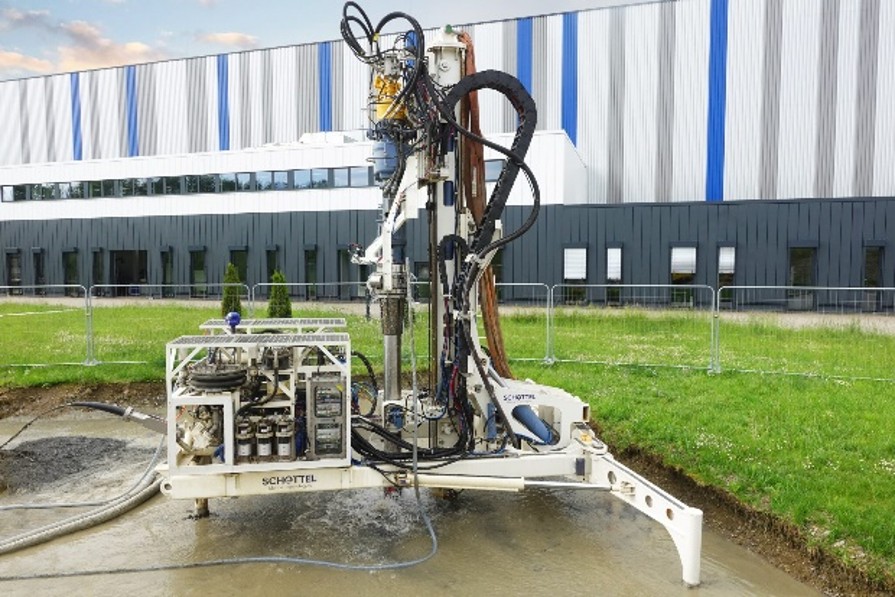
Remotely Operated Vehicles (ROVs) in general provide solutions to underwater problems that would hitherto require divers.
Today most solutions are geared towards providing solutions to enable access to deeper waters to places where divers cannot go, often many thousands of metres deep.
Whilst there is much transferable knowledge, knowhow and equipment from the general subsea ROV sector; it can be a significant overkill and cost prohibitive for shallower waters and smaller projects.
VSEL have a strong focus on ROV solutions for shallow water, utilising deep water technology solutions where required but adopting this or swopping it out for more cost-effective systems and approaches to provide an optimal shallow water solution.
Despite our drive to eliminate the need for a diver, we also remain open to the idea of using a diver where commercially viable and appropriate.
For some shallow water applications, a diver is still the most cost-effective solution! This can particularly the case where small, man portable drones are seen as a solution yet defeated by the slightest tide or poor visibility from completing their mission!
– ROVs solutions optimised for the shallower water
– Diving solutions developed where more cost effective
– A full project lifetime outlook blending ROVs and divers for the optimal solution
A client required to understand the option of installing some large helical screw anchor piles at various offshore locations andconsider this solution alongside other types of pile solutions.
-We gathered critical information from our client and understand the nature of the problem they are trying to solve.
– We utilised relevant expertise from with the ABC Subsea consortium members on large scale helical screw anchors and offshore operations to inform the study
– We kept the report briefing and to the point with must know information first and foremost.
– High level concept design for large Helical Anchoring Remotely Operated Vehicle and associated piles utilising empirical data on anchor installations in the field
– Operational options considering a small mult-icat vessel driven solution versus a large offshore construction vessel
– Budgetary pricing for the project including a new installation rig, anchors and marine operations
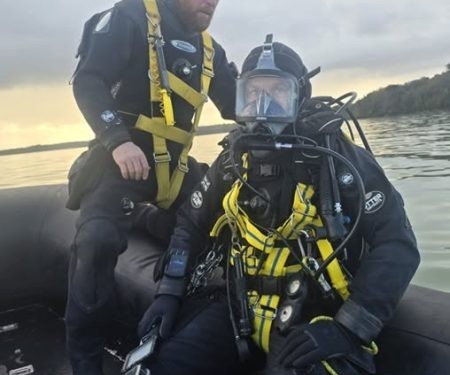
Many underwater diving tasks do not need a full 5 man team working with surface supply diving equipment (SSDE) techniques to accomplish,
Some tasks can be undertaken safely using a 4 man operating HSE Professional SCUBA techniques.
Much of our work particularly with Advanced Mooring Systems and Seabed Restoration involves inspection work with a strong scientific bias in shallow water, sometimes only a couple of metres deep.
HSE SCUBA techniques are often sufficient, particularly where divers need to be mobile, as is the case or seagrass surveys.
Using positive pressure full face masks we mitigate key risks including drowning and pollution. They also enable the use of communications to the surface so clients as well as the dive supervisors are able to interact with the diver who for most of our operations is a qualified engineer with a passion for restoring the seabed.
If HSE Scuba techniques are not appropriate and SSDE equipment is required, we can work with trusted surface supply diving partners and dovetail into their teams to ensure the work is carried out efficiently and to a high standard.
– Risk Assessments and Method Statements (RAMS) and Dive Project Plans (DPP) designed to optimise use of dive time and thought through in advance to reduce risks to As Low As Reasonably Practicable (ALARP) and solve problems in advance at desktop stage rather than in the water.
– Well planned, cost effective and tightly controlled dives to the appropriate HSE ACOP mobilised with the right equipment for the job.
– Generally, we are able generally to get qualified engineer who is also a qualified diver, to be the diver and so get eyes on directly job underwater, communicating directly with the client’s engineer or representative on the surface where applicable over voice communications.
r.
Following replacement of some buoys marking a swimming area, a seagrass survey was required around some existing marker buoy moorings to gather baseline data on size of scour caused by the conventional mooring chains with additional seagrass shoot density counts conducted at cardinal points around the marker buoys afterwards.
– A RAMS and DPP were prepared, reviewed and agreed with the client
– Survey equipment and backup survey equipment was mobilised.
-A HSE Scuba Team deployed a qualified engineer and diver to take critical measurements of sections of chain before proceeding onto measure the scour.
– A separate SCUBA Team were then deployed to conduct the seagrass surveys over a number of dives.
– Data was carefully recorded and collated immediately after the dives.
– Data and video was analysed and reports written including a CAD drawing mapping scour and seagrass boundary
-Marine and diving operations completed safely, on time and in budget in challenging tidal conditions.
– Editted video inspection of current conventional mooring system with an engineering report confirming the condition, including levels of marine growth including any notable Invasive Non-Native Species.
– A CAD drawing showing scour extent around each mooring, the current boundary of seagrass versus as previously surveyed boundary of the seagrass meadow.
suitable for.